When Elder Care Fails, Families Deserve Answers.

If you or a loved one suffered neglect or abuse in a nursing home, assisted living facility, group home, or other licensed care facility, we help determine whether legal action may be available — based on your state, the type of facility, and what happened.

Your information is secure and confidential

What is Elder Abuse & Neglect

Understanding Elder Abuse and Neglect

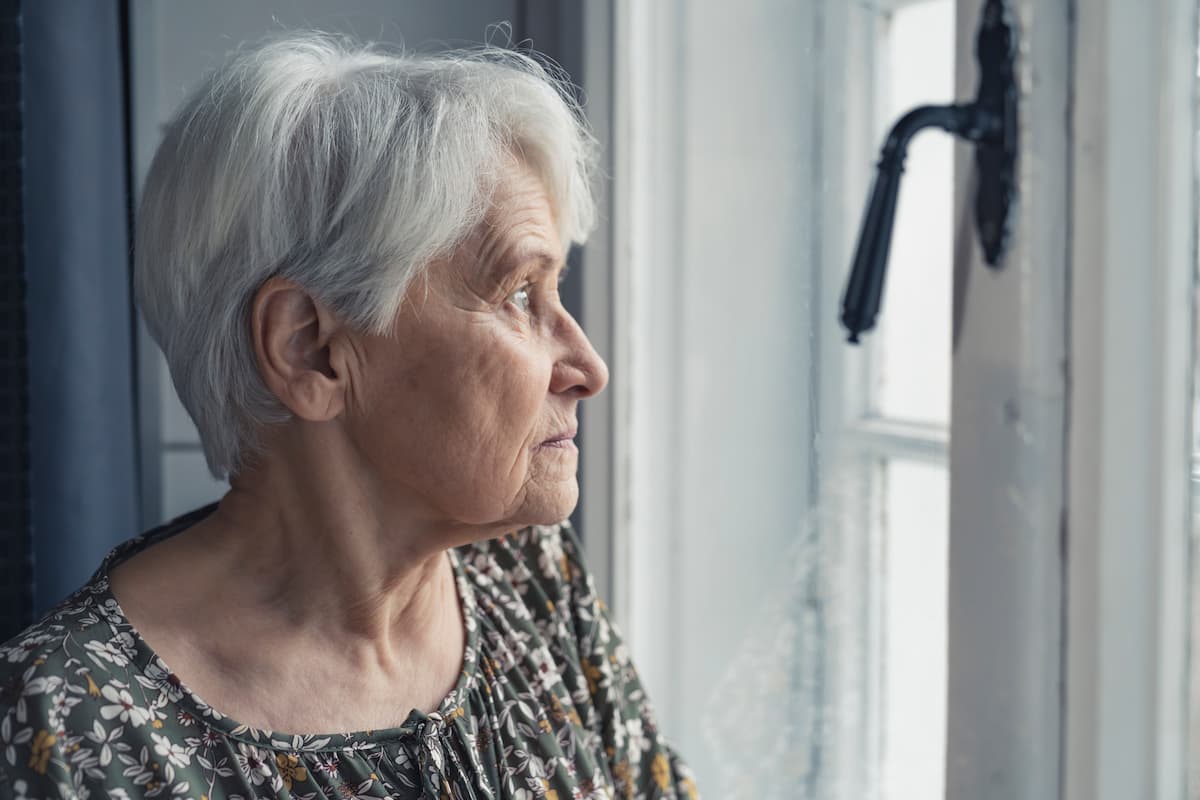
Elder abuse and neglect occur when a vulnerable adult is harmed, mistreated, or deprived of proper care while under the responsibility of a licensed facility or caregiver. These cases often involve failures in supervision, staffing, medical care, or safety protocols — and they are frequently underreported.

Abuse and neglect can happen in:

  • Nursing homes
  • Assisted living facilities
  • Group homes
  • Other licensed care facilities responsible for supervision, medication management, or personal care

In many cases, families do not discover the harm until serious injuries, hospitalization, or death has already occurred.
Common Types of Cases We Review

Types of Neglect and Abuse We Commonly Evaluate

Not every incident qualifies for legal action. The severity of harm, where it occurred, and when it was discovered all matter. The following are examples of situations that may warrant review:

Neglect & Medical Failures

Bed sores / pressure injuries

Bedsores are almost always preventable. They occur when staff fail to reposition immobile residents. Stage 3 or 4 ulcers area clear sign of severe neglect.

Severe malnutrition or dehydration

Rapid weight loss, confusion, and dry skin can signal dehydration. Facilities are legally required to ensure residents receive proper nutrition.

Improper monitoring or medication errors

Medication errors are often preventable. They occur when staff fail to properly administer or monitor medications. Serious reactions or overdoses are clear signs of unsafe care.

Facility-acquired infections (e.g., sepsis, MRSA)

Facility-acquired infections are often preventable. They occur when staff fail to follow hygiene or infection protocols. Sepsis or MRSA is a clear sign of neglect.

Choking or aspiration events

Choking and aspiration are often preventable. They occur when staff fail to supervise high-risk residents during meals. Aspiration pneumonia is a clear sign of neglect.

For most cases, serious outcomes such as hospitalization, surgery, organ failure, permanent injury, or death are key eligibility factors.

Physical & Safety Failures

Falls resulting in fractures or brain injury

Most serious falls are preventable. They occur when staff fail to supervise or assist at-risk residents. Fractures or head injuries are clear signs of neglect.

Wandering or elopement incidents

Wandering incidents are often preventable. They occur when staff fail to monitor or secure vulnerable residents. Elopement is a clear sign of unsafe care.

Resident-on-resident or staff-on-resident assaults

Assaults in care facilities are often preventable. They occur when staff fail to supervise or intervene. Physical injuries are clear signs of neglect.

For most cases, serious outcomes such as hospitalization, surgery, organ failure, permanent injury, or death are key eligibility factors.

Sexual Abuse

Sexual assault by staff or other residents

Sexual assault is never acceptable or unavoidable. It occurs when facilities fail to protect vulnerable residents. Any sexual abuse is a clear sign of severe neglect.

Abuse involving incapacitated or non-verbal residents

Abuse of incapacitated residents is often hidden but preventable. It occurs when facilities fail to monitor caregivers. Unexplained injuries are a clear sign of abuse.

For most cases, serious outcomes such as hospitalization, surgery, organ failure, permanent injury, or death are key eligibility factors.

Don't wait. Time limits apply to nursing home claims.

Get Free Legal Help Now

Why State Law Matters

Why Eligibility Depends on State Law

Elder abuse cases are governed by state-specific statutes, including strict statutes of limitation (SOL). This means:

  • The amount of time you have to act is limited
  • The deadline may begin when the abuse occurred or when it was discovered
  • Different states — and even different facility types — have different rules

Because of this, two families with similar situations may have very different legal options depending on where the facility was located.

Our eligibility review accounts for:

  • State-specific statutes of limitation
  • Facility type (nursing home, assisted living, group home)
  • Discovery date vs. injury date

Severity and outcome of injuries

Elder Justice Advocacy Support for families navigating elder abuse concerns
Zero Upfront Cost You only pay if we win
How The Process Works

How Our Review Process Works

Answer a Short Questionnaire

Provide basic information about the facility, state, injuries, and timeline.

Eligibility Screening

Your responses are evaluated against state-specific criteria and time limits.

Case Review (If Eligible)

If your situation appears eligible, it may be referred for further legal review.

No Obligation

Completing the questionnaire does not create an attorney-client relationship and does not obligate you to proceed.

For Families & Caregivers

If You’re a Family Member or Caregiver

Many cases are brought by:

  • Adult children
  • Spouses
  • Grandchildren
  • Executors or personal representatives of estates

If your loved one is living, legal authority (such as Power of Attorney) may be required.
If your loved one has passed away, estate status and representation can affect eligibility.

The questionnaire is designed to account for these differences.

Time-Sensitive Notice

Time Is Often the Most Critical Factor

Many families wait too long because they:

  • Trusted the facility’s explanations
  • Were unaware the injury was preventable
  • Did not realize legal deadlines existed

In some states, the effective deadline can be less than two years — sometimes much less.

If you believe neglect or abuse occurred, it is important to determine eligibility as soon as possible.

Elder Justice Alliance

Elder Justice Alliance is not a law firm, not a legal referral service, and does not provide legal advice. We are a legal marketing and advocacy organization that helps raise awareness about elder abuse and connects individuals with law firms that may be able to assist them. We do not evaluate legal claims, provide legal representation, or give legal advice. We do not collect referral fees. Any information submitted through this website is used for informational outreach and marketing purposes only. All legal services are provided solely by licensed attorneys, including Susen Law Group and/or its co-counsel partners, where permitted.


Legal Services Provided by Susen Law Group

Legal services advertised on this website are provided by Susen Law Group, a law firm that is not licensed to practice in all jurisdictions. Where required by law, and in accordance with Rule of Professional Conduct 5.5, Susen Law Group works in association with local counsel licensed in the relevant jurisdiction to provide comprehensive legal representation.

Susen Law Group may evaluate your potential legal claims and determine whether they can assist you directly or in partnership with one of their affiliated co-counsel law firms. Legal representation is not guaranteed and is only established through a written agreement signed by you and the attorney(s) providing services.


Attorney Advertising

This website constitutes Attorney Advertising. Past results do not guarantee future outcomes. Any examples of case results, verdicts, or settlements are for illustrative purposes only. Each case is unique and depends on its own facts, applicable laws, and the parties involved.

This site does not provide medical advice. Do not stop or alter any medication or treatment without first consulting your physician. This website may discuss general legal principles, but laws vary by state and may change over time. Always consult a qualified attorney licensed in your jurisdiction for legal advice specific to your situation.


No Attorney-Client Relationship from Website Use

Visiting this site, submitting a form, or communicating with us does not create an attorney-client relationship with Elder Justice Alliance, Susen Law Group, or any affiliated attorney. A formal attorney-client relationship is only formed after a signed engagement agreement is executed by the client and the licensed attorney(s) who agree to undertake representation.

Do not submit any confidential information through this website. Any information shared before a formal relationship is established will not be treated as privileged or confidential.